Capturing the Voice of the Baby: In Practice
To celebrate Infant Mental Health Awareness Week 2026, we’re proud to launch an updated Think Baby Toolkit, designed to support us all in keeping the voice of the baby at the heart of our work.
Alongside the new toolkit, you’ll find a range of resources to explore on this page – from our shared learning report exploring the project’s journey, to reflections from practitioners and recordings from our national webinar.
When babies’ voices are recognised and recorded as common practice, we make great progress towards putting infants at the heart of shaping policy and practice – one of the driving objectives of Better Start’s vison.







Listening to babies:
the Think Baby Toolkit
The Think Baby Toolkit is a free, practical resource for anyone working with babies and young children. Think Baby is about slowing down, noticing what babies are already communicating, and creating the conditions where babies’ voices can be seen, held and acted upon.
Whether you’re new to Think Baby or have engaged with it before, this new, updated toolkit is shaped by the voices, insights and perspectives of over 80 practitioners who have shared how they use the approach in their everyday work.
Through conversations, events and feedback from early years leaders, practitioners and parents, we’ve identified simple principles and practical strategies to help embed the voice of the baby into everyday interactions.
We’re incredibly grateful to everyone who contributed their feedback on the first version. Your insight has helped strengthen the toolkit so it works better in real life with practitioners, teams and the wider systems around babies – with growing use in areas such as training, supervision and service design.
Practitioner Voices
Think Baby has been co developed with practitioners in Blackpool and beyond to support how we recognise and respond to the voice of babies in our work.
Read a collection of their perspectives and experiences, sharing how they notice, interpret and respond to babies’ experiences in their work.
Shared Learning
Take a look at our shared learning report to discover how the Think Baby project has developed a practical approach to recognising and responding to babies’ experiences, and what we’ve learned along the way.
The ‘Think Baby’ Conversations
The Think Baby Toolkit was conceptualised from first bringing together experts, practitioners and parents to talk together about their experiences in capturing the voice or thinking about baby’s voice in their practice.
On this page you will find videos and resources from those conversations, including a full recording of our webinar where we launched the Think Baby Toolkit survey.
Focusing on three distinct areas of early years practice, our discussions look at ways we can all strengthen our confidence to keep baby in mind and capture the voices of our youngest children.
Conversations with national and local experts – including practitioners and parents – share experiences, insights and tips around:
- Capturing the voices of babies in the everyday – including Family Hubs ~ Creative approaches ~ Parent-infant relationships
- Capturing the voices of babies in targeted services and early help – including Health Visiting ~ Early Parenthood Service ~ Community
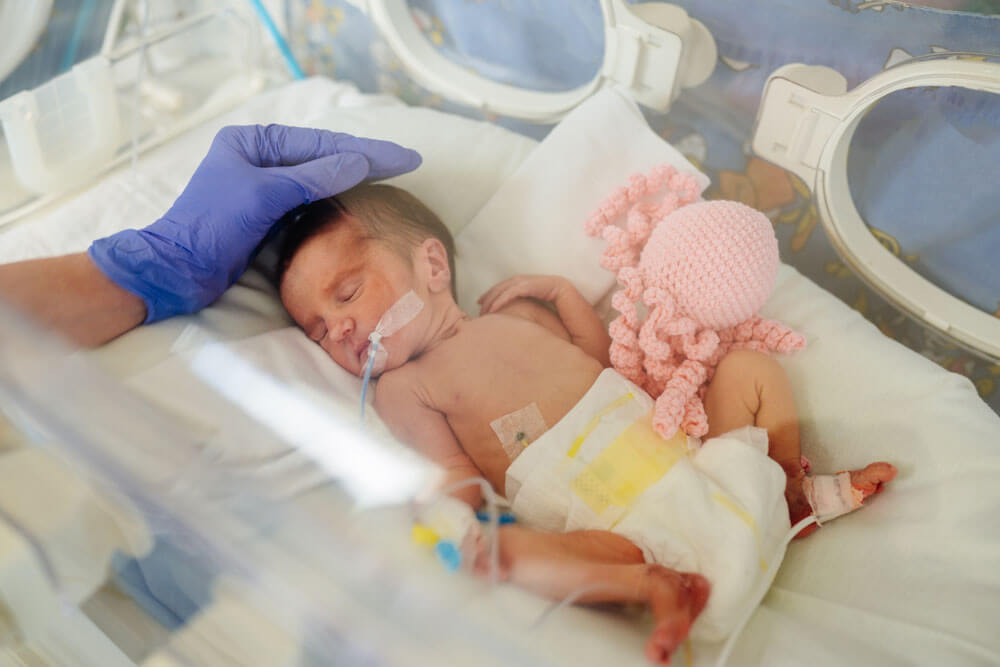
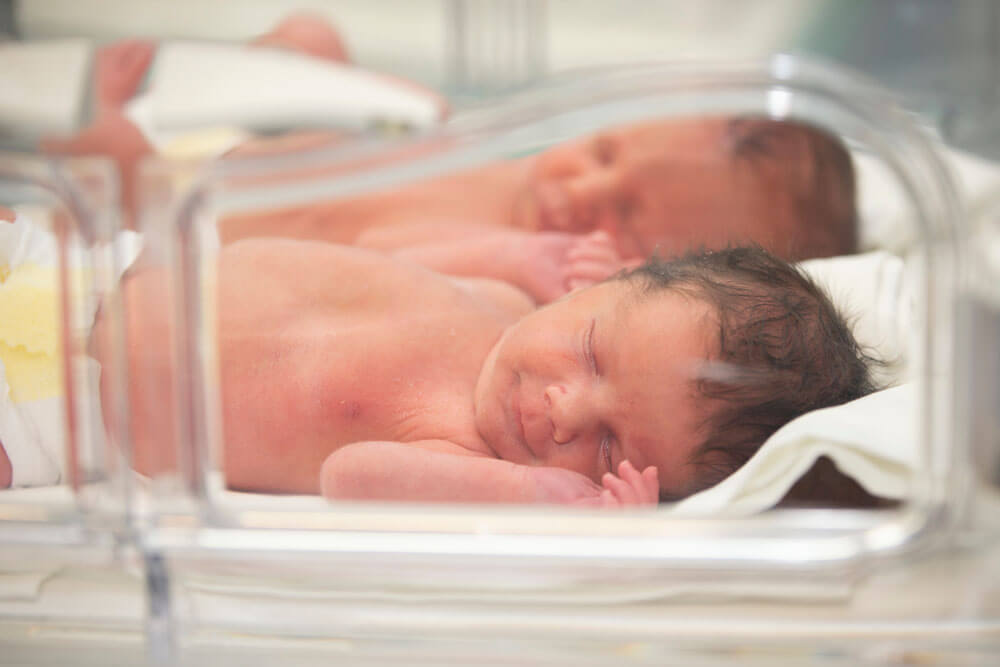
- Capturing the voices of babies in challenging times and specialist services – including Neonatal ~ Born into Care ~ Family Justice System
Huge thanks to our contributors for generously sharing their time:
Watch again – Think Baby Lunch & Learn Event
Full Length Films
Capturing the voice of baby
in the everyday
Capturing the voices of babies in targeted services and early help
Capturing the voices of babies in challenging times and specialist services
Further Resources
- Art at the Start Art at the Start – Exploring the impact of the arts in the early years
- Starcatchers Voice of the Baby The Right Start: Babies, their rights, voice and the arts
- Institute of Health Visiting ADBB study findings – IHV
- The Lundy Model
Enabling the meaningful participation of children and young people globally: The Lundy Model | Queen’s University Belfast
Enabling the Meaningful Participation of Children and Young People Globally | The Lundy Model
Participation and coproduction in Family Hubs using the Lundy Model
The Lundy Model | Times Higher Education - NSPCC Learning How can we hear and facilitate the voice of the child? Practice points
- Parent-Infant Foundation IMHAW – Parent-Infant Foundation
- Anna Freud Why Babies’ Voices Matter | Anna Freud
- Blackpool Better Start Early Child Development campaign At the Park At the Supermarket
- NHS Lanarkshire Infant Mental Health Team – Observational Indicator Set
- Mental health for infants and children aged 0-5 years old: a strategy for Lancashire and South Cumbria
LSC-0-5-Mental-Health-Strategy-2025_v1.0.pdf - Best Practice Service Model for Parent Infant and Early Years Relationship Services PIER-best-practice-service-model_NWC-Clinical-Network_July-2023.pdf
- Born into Care Blackpool Co-production | Born into Care